
Capability Circles: Addiction Expert Series
Strengthening the social service sector’s capability in behavioural addiction support through expert insights and collaborative learning.
Last updated 23 March 2026
Overview
NCSS has identified behavioural addiction support as a critical focus area with increasing needs through surveys with our member agencies.
The Capability Circles: Addiction Expert Series aims to strengthen the social service sector’s capabilities in behavioural addiction support through knowledge sharing and collaborative learning.
The series brings together policy makers, social service professionals, and frontline practitioners to build a more informed and effective addiction support ecosystem across Singapore. Participants are equipped with opportunities to:
Learn more about addiction from clinicians and experienced social service professionals
Discover insights and knowledge that can inform their services and practice
Network and find opportunities for partnership
Problematic Social Media Use Among Young People: Research Insights and Intervention Approaches (Feb 2026)
NCSS hosted the fourth Capability Circles session on youth addiction, examining problematic social media use through research findings from NCSS's Youth Online Behaviours Study and practical interventions from TOUCH Community Services' DigitalMINDSET programme.

Mr Carl Yeo, Research Specialist at NCSS, presented findings from a study surveying 2,000 young people aged 10-24 on their online behaviours between August 2023 and March 2024. The study revealed that a sizable number of youths showed signs of problematic social media use and a similar number were at-risk. Youths with problematic social media use had poorer mental wellbeing, self-esteem, and satisfaction with their life.
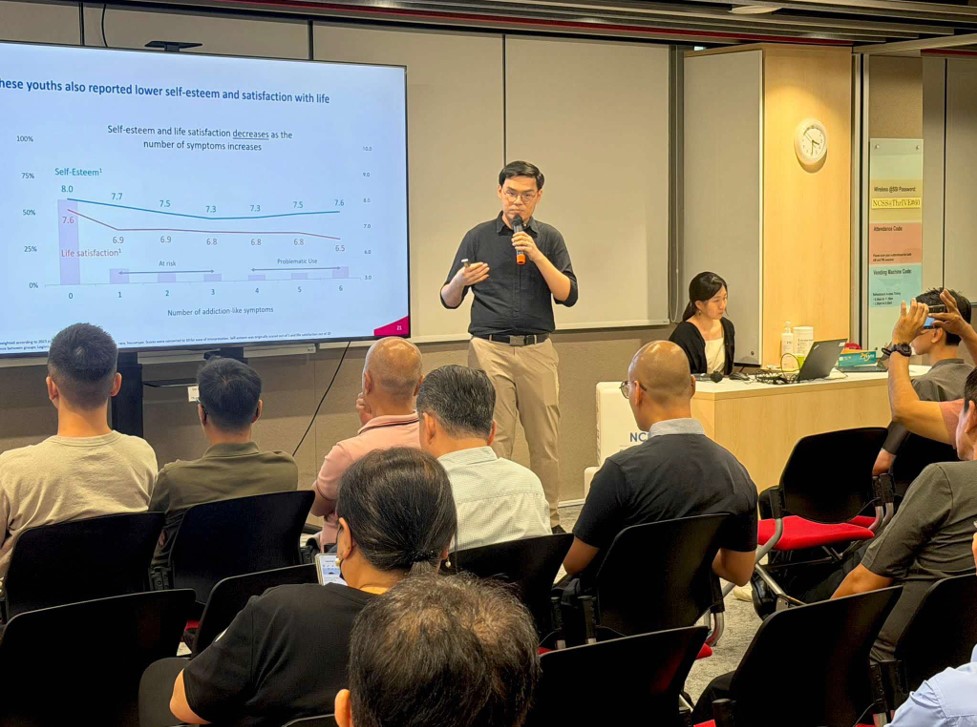
Sharings from the NCSS Youth Online Behaviours Study
The research challenged common assumptions:
Screen time alone doesn't predict problems. Young people with severe symptoms spent the same hours online as those with no issues. Assessment should focus on functional impact rather than time spent.
Family rules can backfire. In families with poor relationships, having parental rules doubled problematic use. In families with good relationships, rates of problematic use remained the same with or without parental rules.
Prevention timing matters. Problematic use doubles between upper primary and lower secondary, with ages 13-14 being particularly vulnerable.
TOUCH Community Services introduced their DigitalMINDSET programme, a 6-9 month intervention for youths aged 12-21 combining individual counselling, family sessions, and group work to address excessive device use and emotional dysregulation.
Mr Daniel Wong from TOUCH Community Services sharing on the DigitalMINDSET programme
The session emphasised that successful interventions address underlying needs for connection and emotional regulation whilst building supportive family systems, prioritising relationship-building before restriction-setting.
Access the presentation materials
Youth Addiction: Global Trends and Local Perspectives from the Drug Psychology Field (Jan 2026)
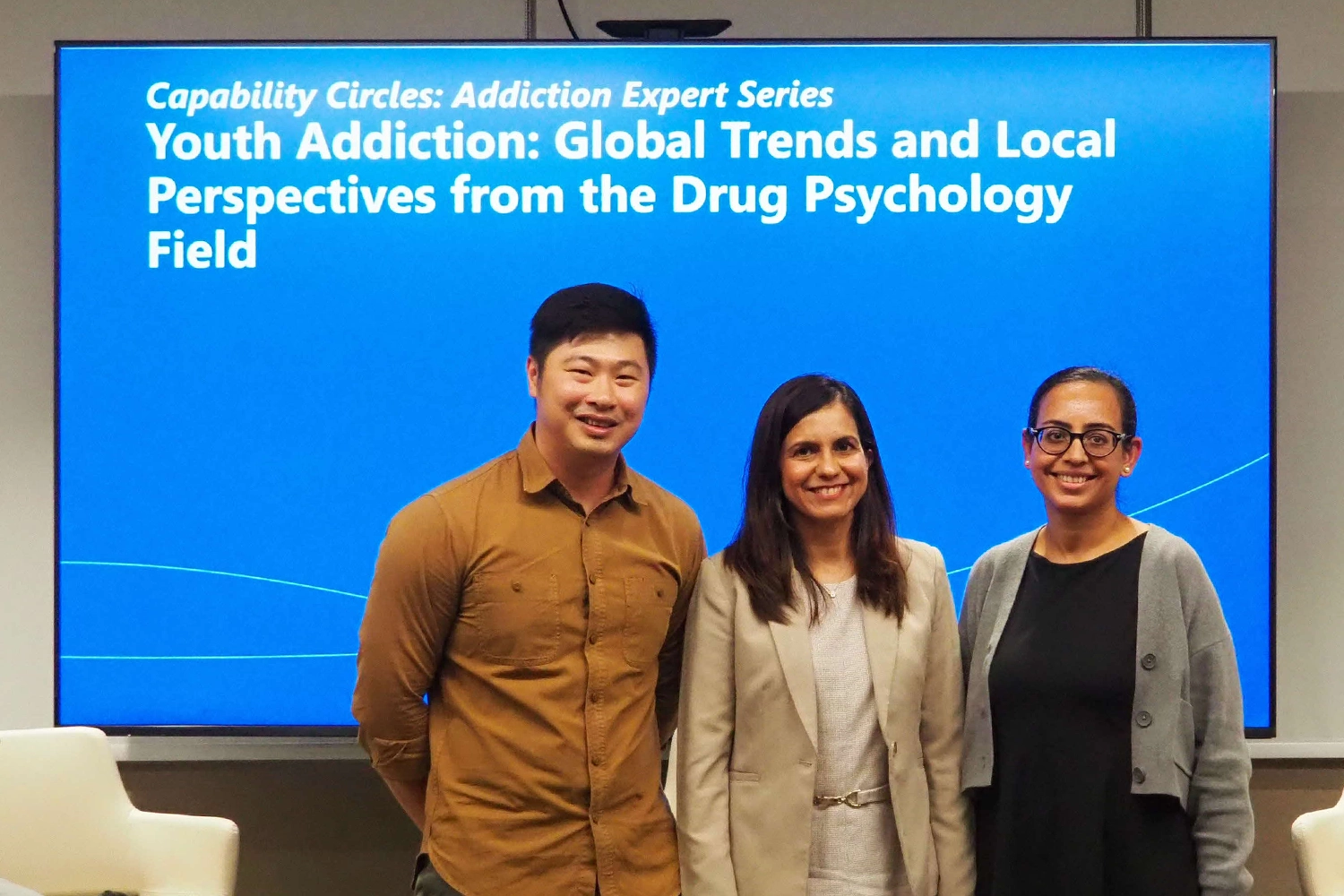
Ms Seema Dadlani, Director, NCSS with speakers Dr Jasmin Kaur (right) and Mr Too Seng Hong (left).
Dr Jasmin Kaur, Senior Principal Psychologist at the Ministry of Home Affairs (MHA), and Mr Too Seng Hong, Senior Counsellor at Youth Guidance Outreach Services (YGOS), shared insights to over 100 frontline professionals on the evolving landscape of youth addiction.

Dr Kaur introduced her "Three C's" framework for understanding youth vulnerability to addiction:
Choice – underdeveloped decision-making
Connection – seeking identity through peers
Coping – using substances/behaviours to manage challenges
Mr Too shared practical insights from YGOS's frontline work, including their cyber outreach programme engaging hidden youth through live streaming in digital spaces. "We want to work with young people in their space," he explained, whether that's a basketball court or a Discord server.”
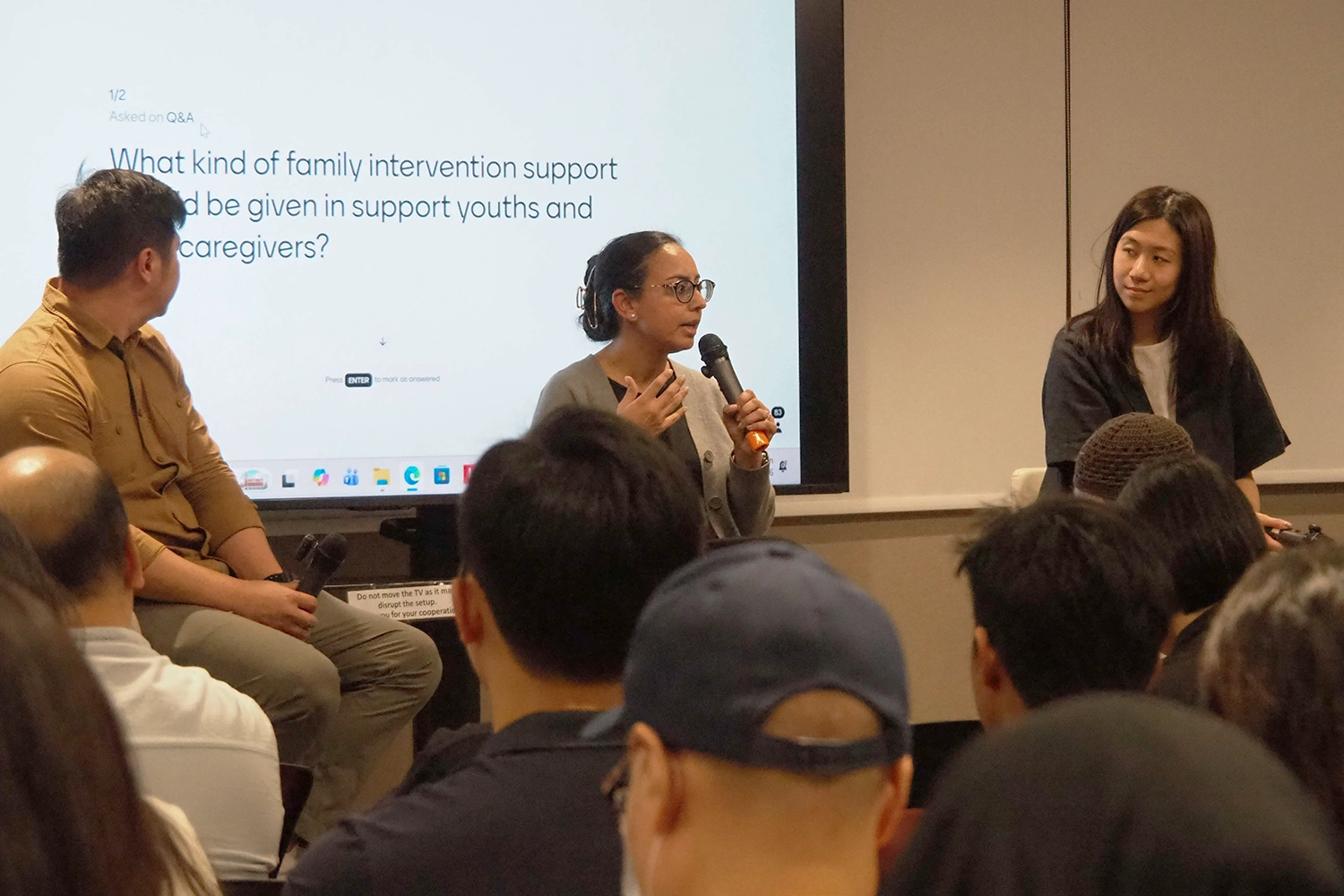
Q&A Segment featuring a question on support for families.
Participants left with a deeper understanding of youth addiction and strategies for supporting youth and their families through evidence-based, collaborative approaches, including:
Prevention – Moving beyond prohibition messaging to age-appropriate education providing youth autonomy to make informed choices about their behaviors
Intervention – Addressing the whole family system, recognising that addiction affects entire families and recovery requires rebuilding trust and communication
Recovery – Focusing on building connections and meaning to address the underlying needs that drive addictive behaviours
Access the presentation materials
Giving a Voice to Silent Struggles: Experiences of Women with Addiction (Nov 2025)

Over 70 social service professionals attended the second session on 27 November 2025, featuring Ms Isabel Tan, Senior Clinical Counsellor, Changi General Hospital on the unique challenges faced by women with addiction.
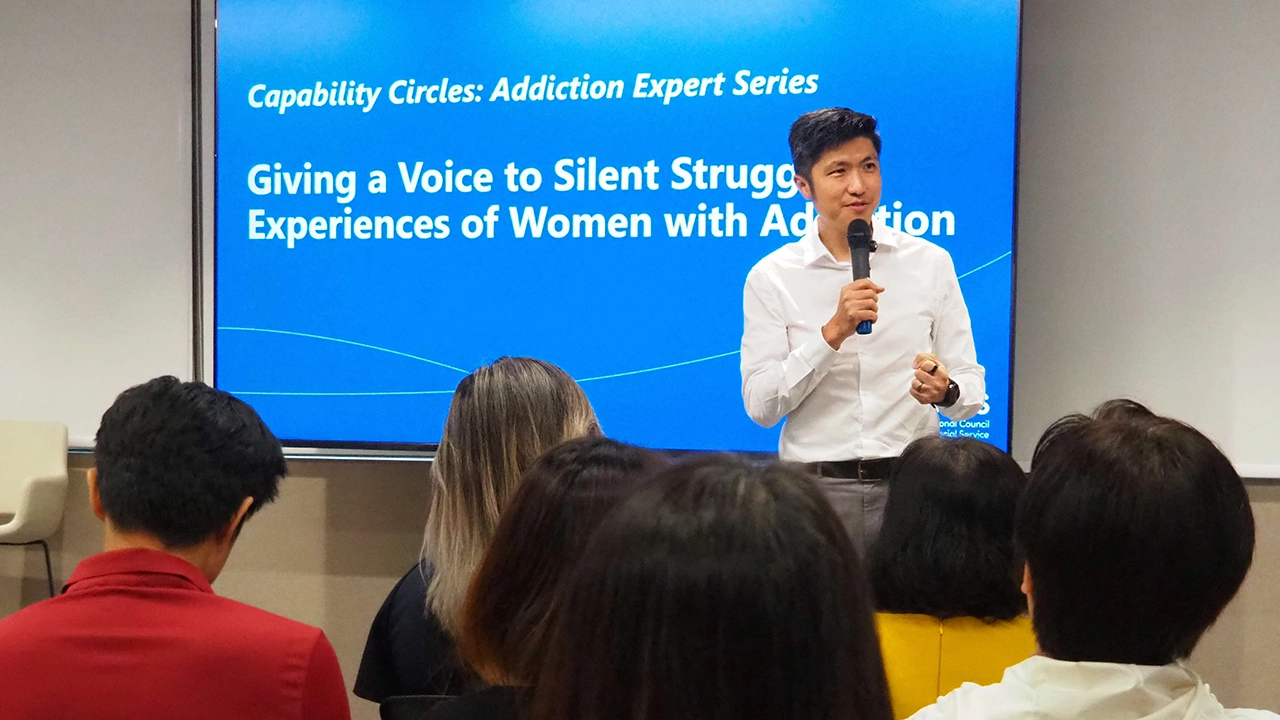
Mr Lim Shung Yar, CEO (Designate), NCSS, highlighting the need to address women's distinct experiences with addiction, noting their unique vulnerabilities compared to men.
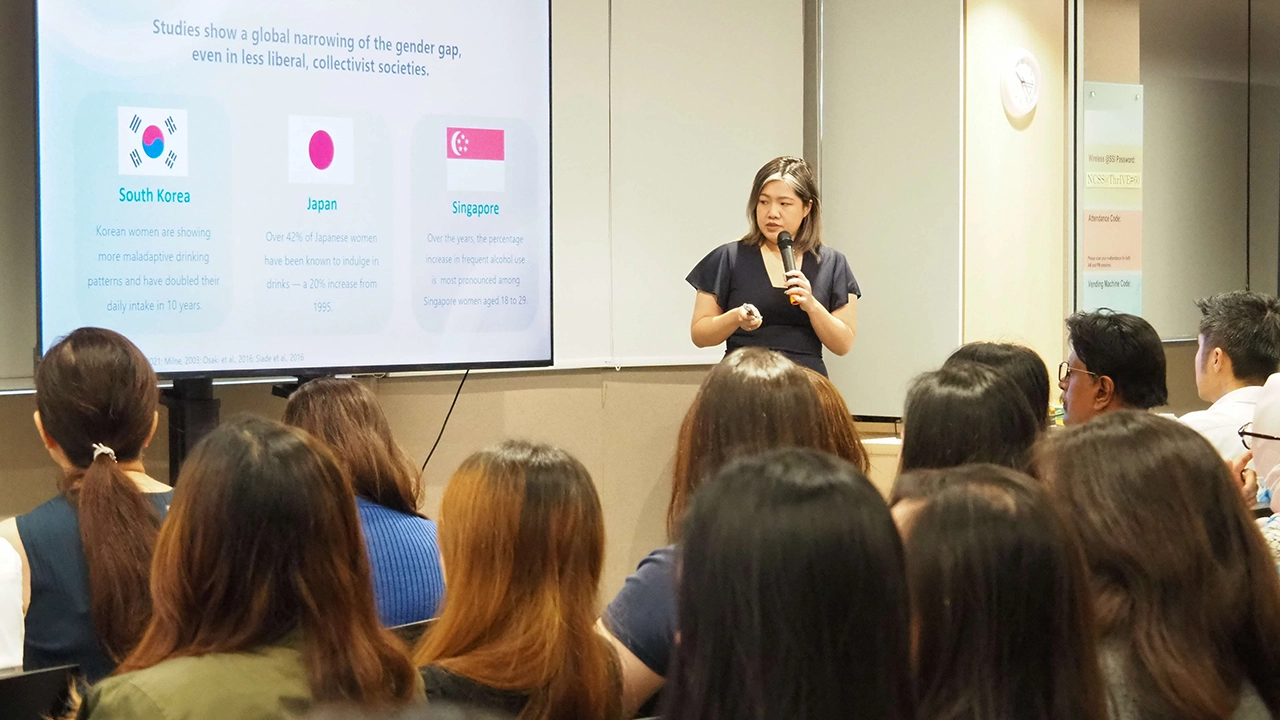
Ms Tan presenting statistics of women with addiction in Asian countries.
Key insights include:
Whilst men historically consume more addictive substances, women's alcohol consumption rates are growing rapidly. In Singapore specifically, the most pronounced increase in frequent alcohol use over time was observed in women aged 18 to 29.
Women are also more likely to experiment with substances at a younger age as a consequence of unhealthy social beliefs. This also increases their likelihood of self-medicating due to trauma, as opposed to thrill-seeking behaviours observed in men.
She also introduced the double-bind concept – women face difficult situations whether they seek help or not. Without treatment, addiction escalates, but seeking help brings judgement and stigma. She recommended reducing systemic barriers through childcare options, providing clinical clarity, and adopting more empowering approaches to support women with addiction.
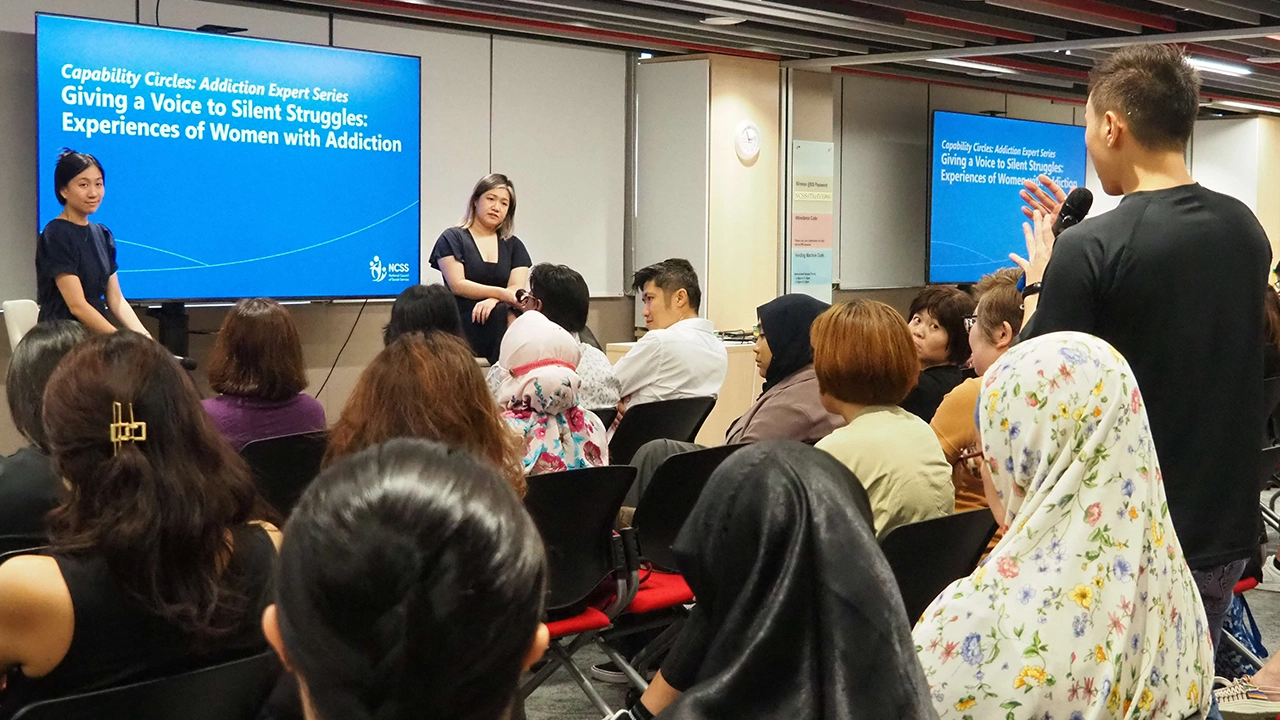
Participants exploring topics such as the co-morbidities women with addiction presented with, available resources, and what more could be done to strengthen support for such women during the Q&A.
Overview of Addiction (October 2025)
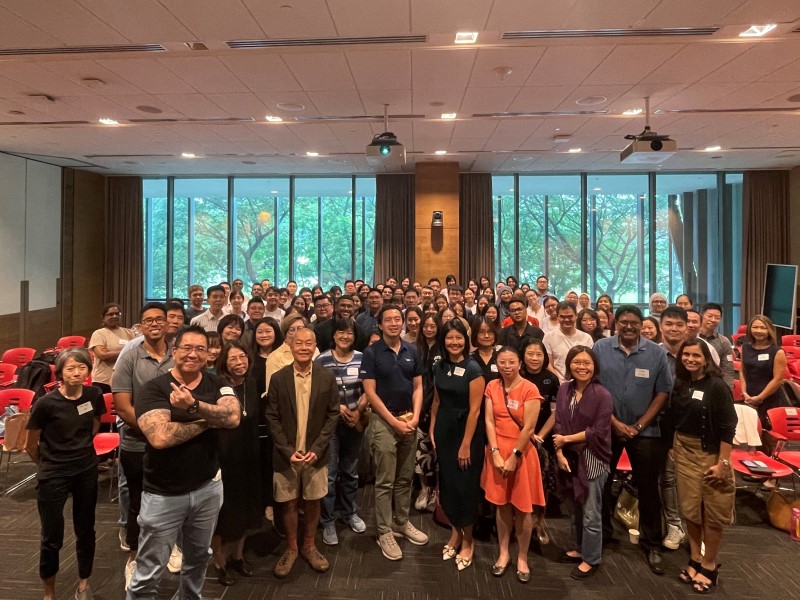
A big turnout at the first NCSS Capability Circles on Addiction in October 2025.
The inaugural session of our Addiction Expert Series was held on 23 October 2025. 85 professionals across 40 organisations from the social service, healthcare, and public sectors gathered to learn about what addiction is, the types of addiction in Singapore, and the services available for persons with addiction.
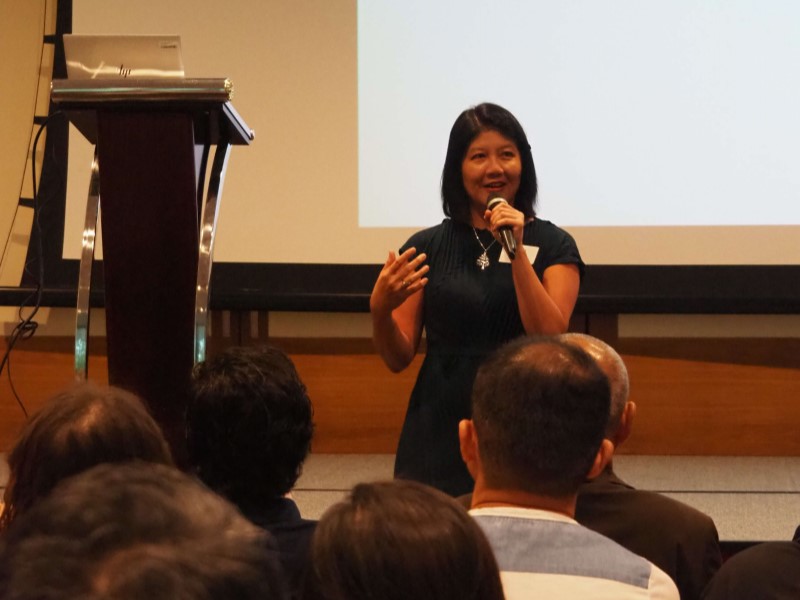
Ms Tan Li San, CEO, NCSS introduces the session
Ms Tan Li San shared that NCSS had identified behavioural addiction support as a significant service gap in the social service sector and would strengthen support for behavioural addictions. She acknowledged the contributions of many social service agencies (SSAs) and policy owners in the room for deepening NCSS’s knowledge of the issue.
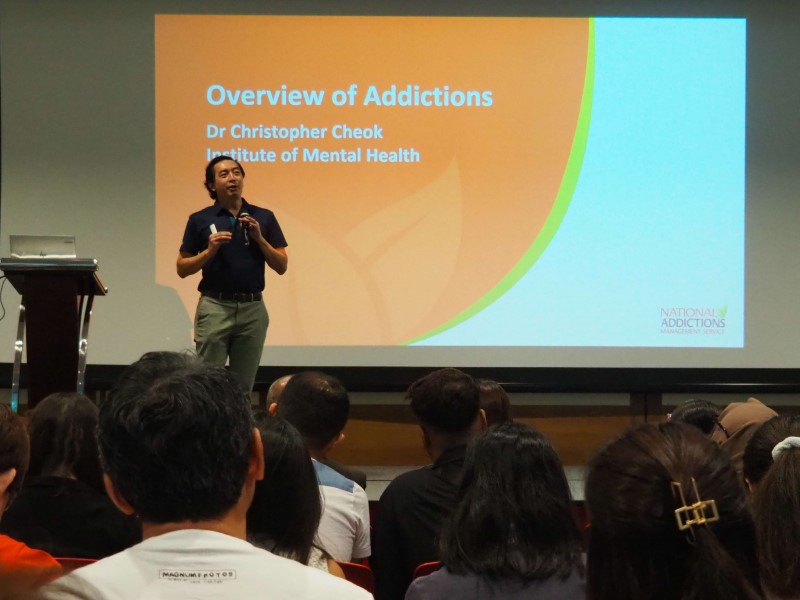
Dr Christopher Cheok, Chief of the National Addictions Management Service (NAMS) shared valuable insights on Singapore's addiction landscape, covering both substance addictions (such as drugs and alcohol) and behavioural addictions (including gambling and internet addiction). He explained:
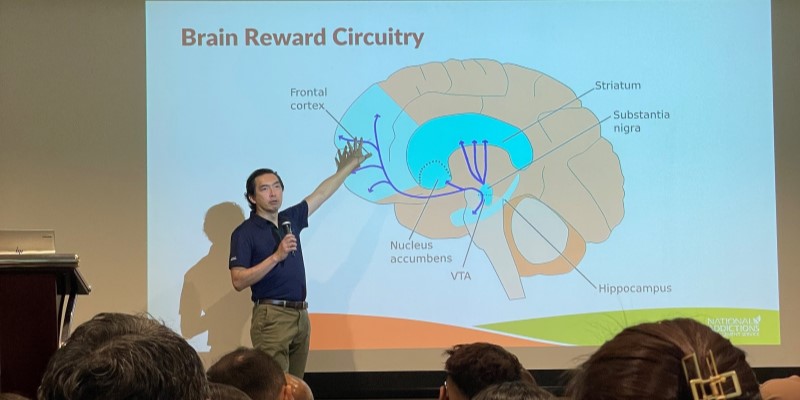
The impact of addiction on the brain and shared statistics for different kinds of addiction in Singapore
How addiction is a complex issue that impacts the brain's reward system and highlighted key risk factors that contribute to addictive behaviours
Dr Cheok concluded his sharing with helpful guidance on accessing care through various channels, including NAMS, the 1771 helpline, community social service agencies, and private healthcare providers.
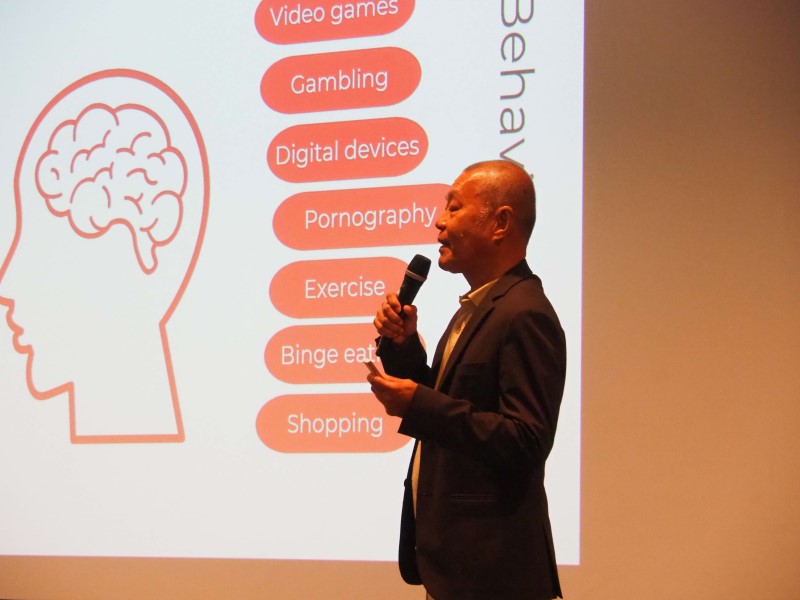
Sharing by Leslie Goh, Senior Manager, WE CARE Community Services
Leslie Goh shared about the services run at WE CARE Community Services, a community-based addiction recovery centre. Through its Sober Living Framework programme funded by NCSS, WE CARE Community Services treats all forms of addictions including drugs, alcohol, and compulsive behaviours like problem gambling, compulsive sexual behaviours and porn use, overeating, problematic internet use, excessive gaming, and shoplifting.
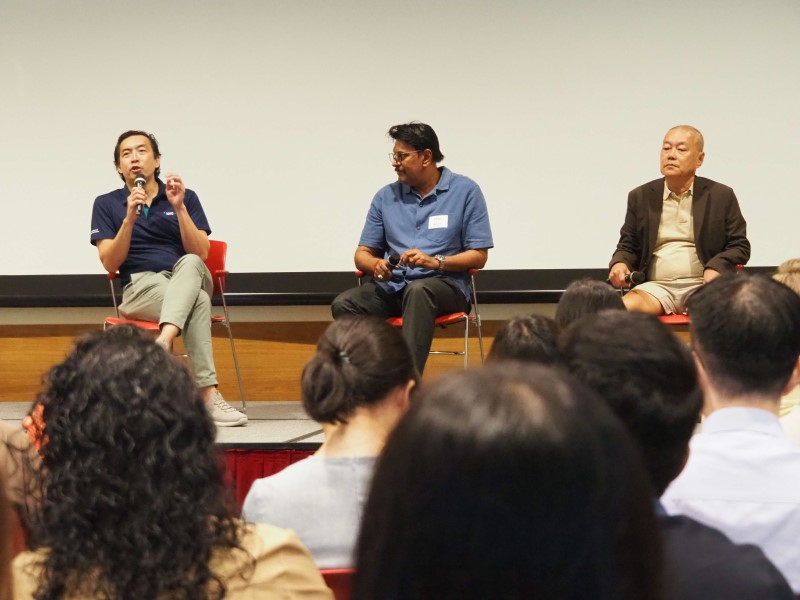
Q&A Session moderated by Mr Yoganathan Ammayappan, Deputy CEO, NCSS
Panel:
Dr Christopher Cheok, Chief and Senior Consultant of the Department of Forensic Psychiatry & Chief of the National Addictions Management Service
Mr Leslie Goh, Senior Communications and Relations Manager, WE CARE Community Services
The session closed off with a round of Q&A, where participants asked questions on a range of topics such as risk factors and accountability. Participants shared that their biggest takeaways were understanding the medical basis behind addiction, learning about the types and prevalence of addictions, and gaining insights into risk factors and vulnerabilities.